
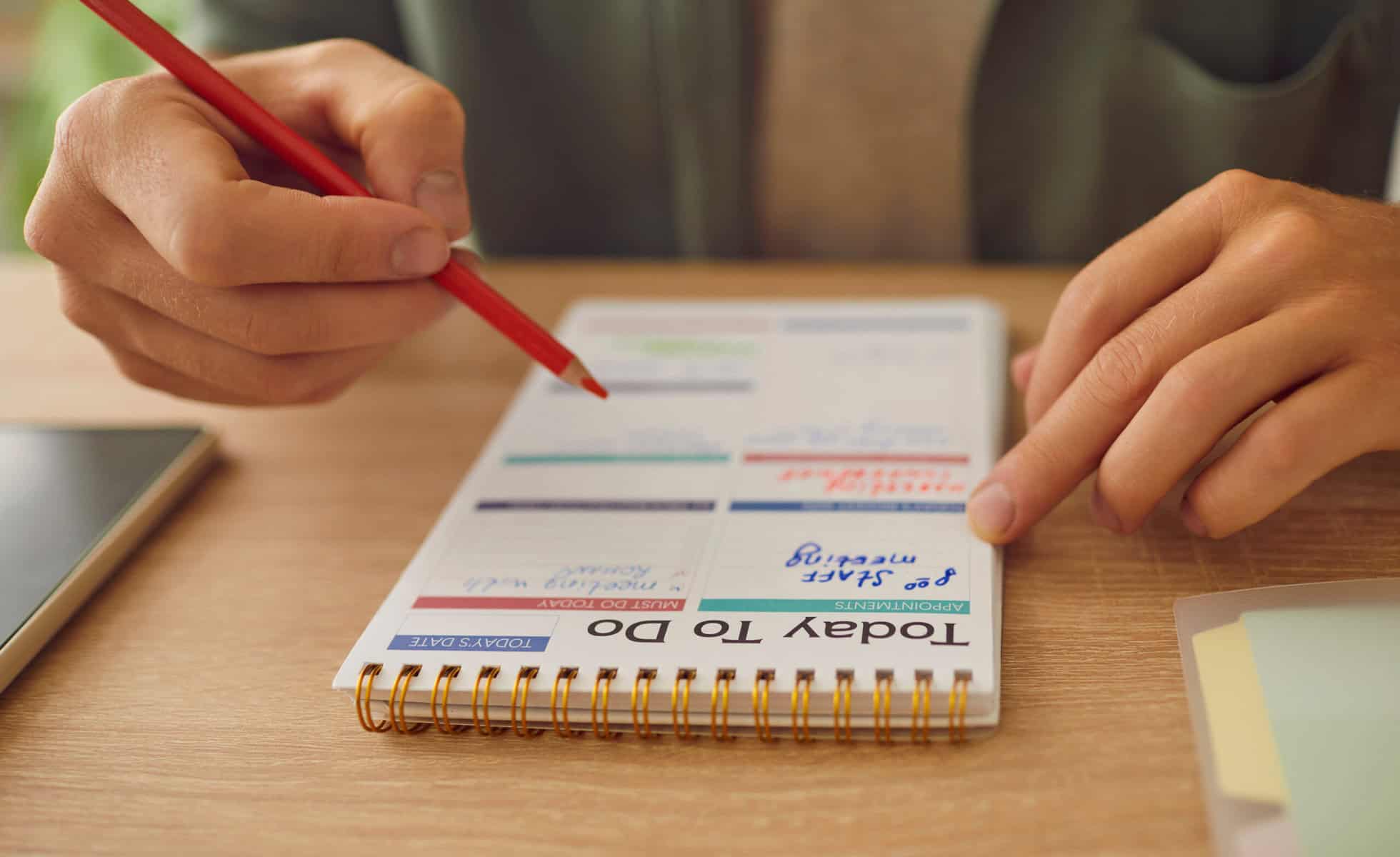
Choosing between a daily and weekly planner can feel like a personal decision because it depends largely on your lifestyle, time management needs, and even your personality. In this post, we’ll break down the pros and cons of each type of planner to help you decide which is the best fit for you.
Daily Planners: For Detailed Day-by-Day Planning
Daily planners are structured to give you space to plan out every hour of your day. Typically, each page represents a single day, providing room for task lists, appointments, and notes. If you’re juggling many tasks and appointments in a single day or work in a fast-paced environment, a daily planner could be your best friend.
Pros:
1. Time-Specific Organization: If you have a packed schedule and need to manage your day hour by hour, a daily planner is ideal. Whether you have meetings, appointments, or simply want to organize tasks into time blocks, the format helps.
2. Attention to Detail: With daily planners, you can add more notes and details for each day. There’s enough space to break down complex tasks into manageable steps.
3. Focused Productivity: Each day starts with a blank slate, which can feel refreshing. You get a clear view of what needs to be done without being overwhelmed by the week ahead.
Cons:
1. More Pages, Less Overview: Since each page is dedicated to a single day, it’s harder to get a quick overview of your week. You may need to flip back and forth to see the bigger picture.
2. Bulkier: Daily planners tend to be thicker, since they include 365 pages for the whole year. If portability is important, a daily planner might feel cumbersome.
Who Should Use a Daily Planner?
Daily planners are ideal for people with busy schedules, those who like breaking tasks into smaller steps, or individuals who thrive on structure. They’re also great for students, busy professionals, and anyone juggling personal and professional responsibilities.
Weekly Planners: For a Bird’s-Eye View
Weekly planners, on the other hand, allow you to see your entire week at a glance. Typically, two pages cover one week, with each day allocated a smaller section. This type of planner is fantastic for those who prefer a broad overview of their commitments.
Pros:
1. Big Picture Planning: A weekly planner provides a visual snapshot of the week, making it easy to plan ahead. You can quickly assess how busy you’ll be, and shift tasks as needed.
2. Less Time-Consuming: Weekly planners require less effort to fill out. Since each day has less space, you won’t feel obligated to over plan or micromanage your time.
3. More Portable: Since there are fewer pages than a daily planner, weekly planners are often slimmer and easier to carry around.
Cons:
1. Limited Space: If you have a packed schedule, the limited space per day can be a downside. It may be harder to manage hourly commitments or leave notes.
2. Not for Detail-Oriented Planning: The overview format means there is less room for detailed task breakdowns, so it may feel insufficient if you need specific reminders or to-do lists for each day.
Who Should Use a Weekly Planner?
Weekly planners are perfect for people with a more flexible schedule, those who don’t need to map out each hour, or individuals who like to have an overview of their entire week. It works well for parents, freelancers, or anyone who has recurring tasks that need to be tracked week by week.
Which One Is Right for You?
The choice between a daily and weekly planner ultimately depends on your lifestyle and how you prefer to manage your time. If you’re someone who thrives on detailed structure and prefers to organize tasks hour by hour, a daily planner will suit your needs. On the other hand, if you like to have a big-picture overview of your week and prefer simplicity, a weekly planner might be the better choice.
Still unsure? Consider experimenting with both. Some people find that a hybrid approach—using a daily planner for work and a weekly planner for personal tasks—works best.
Final Thoughts
Both daily and weekly planners have their strengths, and neither is better than the other—it’s all about what aligns with your workflow. Whether you’re a goal-getter who thrives on minute-by-minute planning or someone who values flexibility, there’s a planner out there that’s perfect for you.
Check out the planners from Beaver Lake Books here.
Sources:
– Time Management Training Institute, “Daily vs Weekly Planners: Which is Better for Productivity?”
– Psychology Today, “The Benefits of Planning: Why You Should Use a Planner.”
More Grandpa’s Groaners Released Today
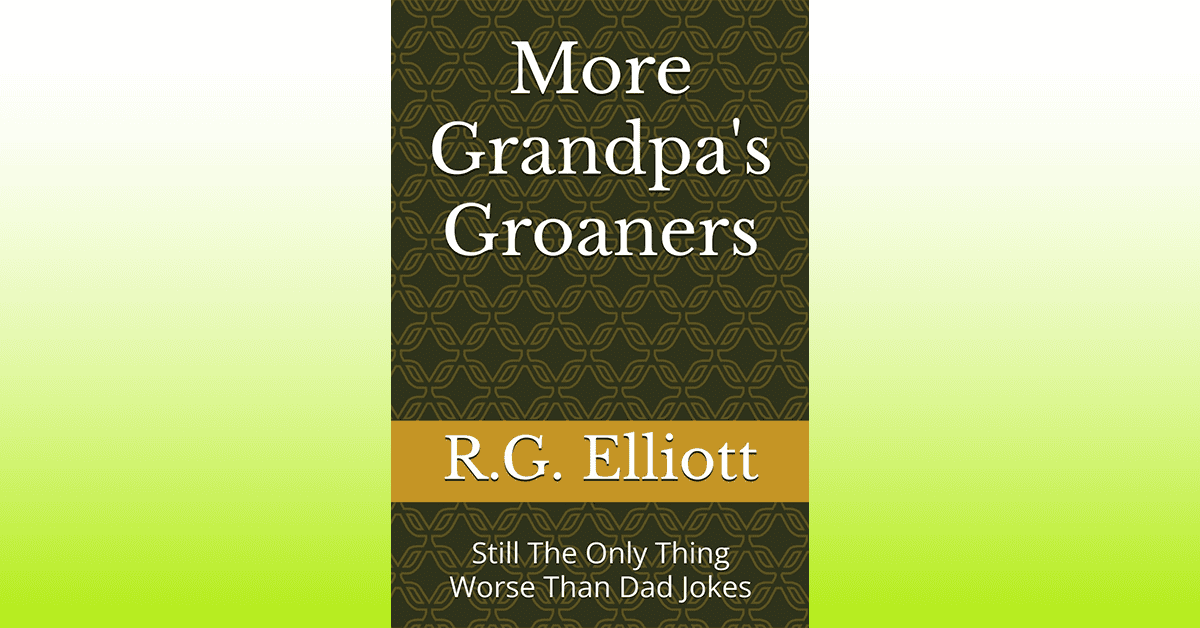
Get ready to roll your eyes and laugh out loud with More Grandpa’s Groaners, the ultimate dad jokes book! Packed with side-splitting jokes, puns, and groaners, this paperback is perfect for anyone who loves classic humor. Whether you’re looking to break the ice, lighten the mood, or simply share a laugh with family and friends, this collection of jokes has you covered for every occasion. With more jokes than you can shake a cane at, it’s a hilarious way to keep Grandpa’s timeless groaners alive! Ideal for all ages, it’s the perfect gift for dads, grandpas, and joke lovers everywhere.
FEATURES
- 95 pages
- Large print
- Over 750 family-friendly bad jokes
- Convenient 6 x 9 size
- Easy-to-read 16-point font
- Flexible, glossy softcover
- Great gag or serious gift
- Great companion to Grandpa’s Groaners ( Amazon ASIN: B0CYLYNK4G)
Available Today on Amazon
For more joke books, journals, log books, and puzzle books, visit our catalog page.
TAGS
Dad Jokes, Gag Gift, Large Print, Grandpa Jokes
The History and Evolution of Word Search Puzzles

Tracing the Journey of Word Search Puzzles from Print to Digital
Word search puzzles are a beloved pastime enjoyed by people of all ages. From classrooms to newspapers, they have become a staple for word enthusiasts looking for a fun challenge. But where did these puzzles come from, and how have they evolved? Let us explore the fascinating journey of word search puzzles.
The Origin of Word Search Puzzles
The first known word search puzzle was created in 1968 by Norman E. Gibat. He published it in a small local newspaper in Norman, Oklahoma, called *Selenby Digest*. Gibat’s original puzzle was called “Word-Cross Puzzle,” and it was an immediate hit. Readers quickly became fascinated by the challenge of finding hidden words amidst a grid of letters. Word search puzzles were inexpensive to create, easy to understand, and offered endless opportunities for customization. These factors contributed to their rapid rise in popularity.
Within a few years, word search puzzles started appearing in larger newspapers and magazines. Teachers also recognized the educational value of word searches, using them to teach vocabulary, spelling, and even geography. The appeal of word search puzzles was undeniable, and they quickly became a global phenomenon.
Word Search Puzzles in Education
One of the major reasons for the success of word search puzzles is their adaptability in educational settings. Teachers began using them to reinforce lessons, making learning more interactive and enjoyable. The puzzles could be tailored to any subject—math, history, science, and literature—offering a creative way to engage students.

The simplicity of word searches also allows learners of all ages and skill levels to take part. For children, they help develop pattern recognition and enhance vocabulary. For older adults, they offer a fun mental exercise, helping to keep the mind sharp. Over time, educators began incorporating word searches into worksheets, online games, and even interactive apps, making them a versatile learning tool in the digital age.
The Digital Age and Modern Innovations
The arrival of the internet and smartphones brought word search puzzles to a whole new audience. Online word search generators allowed anyone to create custom puzzles in minutes, making it easier than ever to personalize themes and difficulty levels. Apps began offering daily word search puzzles, allowing players to compete with others, track progress, and explore different categories.
Not only did technology make it possible to access word search puzzles anytime, anywhere, but it also broadened their appeal. Today, you can find themed word search puzzles covering topics ranging from pop culture to complex scientific terminology. Many people create and share their word searches on social media, further embedding the puzzle into modern-day culture.
Conclusion: From Print to Digital, Word Search Puzzles Endure
From their humble beginnings in a small Oklahoma newspaper to becoming a global pastime, word search puzzles have stood the test of time. Their adaptability, educational value, and entertainment factors have made them a favorite across generations. Today, with the aid of technology, these puzzles continue to evolve, offering endless possibilities for creativity and learning. Whether you are solving one in print or through an app, word search puzzles are still a fun and rewarding way to engage your mind.
Visit our Word Search Puzzle Page  to learn more or to see what Word Search Puzzle Books we have available at Beaver Lake Books!
At Beaver Lake Books, we celebrate this classic puzzle genre with a wide selection of word-search puzzle books. Explore our collection and discover the joy of word searches.
Unlocking Self-Discovery Through Journaling

Journaling is an age-old practice with the power to transform our understanding of ourselves. It offers a private, reflective space to process our thoughts, emotions, and experiences. Whether you are just starting or looking to deepen your practice, journaling for self-discovery is a powerful tool to navigate the complexities of your inner world.
The Power of Putting Pen to Paper
There is something almost magical about writing by hand. The act of physically putting pen to paper slows down our thinking, allowing us to focus and sift through our thoughts in a way typing simply does not. Research even supports this. According to studies, handwriting activates more areas of the brain compared to typing, improving cognitive functions like memory and emotional processing.
By slowing down and engaging deeply with your thoughts, you create room for self-awareness to bloom. You notice patterns in your thinking, recurring themes in your emotions, and the underlying motivations behind your actions. This kind of awareness is key to self-discovery because it allows you to explore not just what you think and feel, but *why*.
Journaling Prompts to Guide Self-Exploration
For those new to journaling, knowing where to start can be daunting. That is where prompts come in handy. Prompts are targeted questions or topics that guide you in your writing, sparking deeper reflection on who you are, what you believe, and what you desire. Some popular self-discovery journaling prompts include:
– “What do I believe to be true about myself? Are these beliefs helpful?”
– “What experiences have shaped who I am today?”
– “What would I do if I knew I could not fail?”
Writing in response to these prompts encourages you to explore areas of your life you might not have considered deeply before. In time, these reflections can lead to significant personal growth as you unravel your desires, fears, and values.
Building a Daily Journaling Habit
One of the best things about journaling is that it is a flexible, low-pressure practice. You can write as much or as little as you want—what matters is consistency. Building a daily journaling habit helps create a regular space for reflection, which deepens your connection with yourself over time.
Start small, aiming for just 5-10 minutes of writing each day. If you are stuck, do not worry about making your entries perfect—this is your private space. The goal is to write freely, without judgment, letting whatever comes to mind spill onto the page. Over time, you will find that the act of journaling itself becomes something you look forward to, as it offers a sense of relief, clarity, and self-compassion.
Summary
Journaling is more than just putting thoughts on paper; it is a transformative tool for self-discovery. By regularly exploring your inner landscape, you uncover layers of your identity, beliefs, and emotions that often go unnoticed in the busyness of life. Whether you are writing for five minutes or an hour, each journaling session is a step toward better understanding yourself. Grab a notebook, choose a prompt, and see where your journey of self-discovery takes you.
Beaver Lake Books publishes several different styles of journals. Check out our Journals and Notebooks here or our catalog here.
My Favorite Recipes: Blank Paper Recipe Notebook
Never lose another recipe!
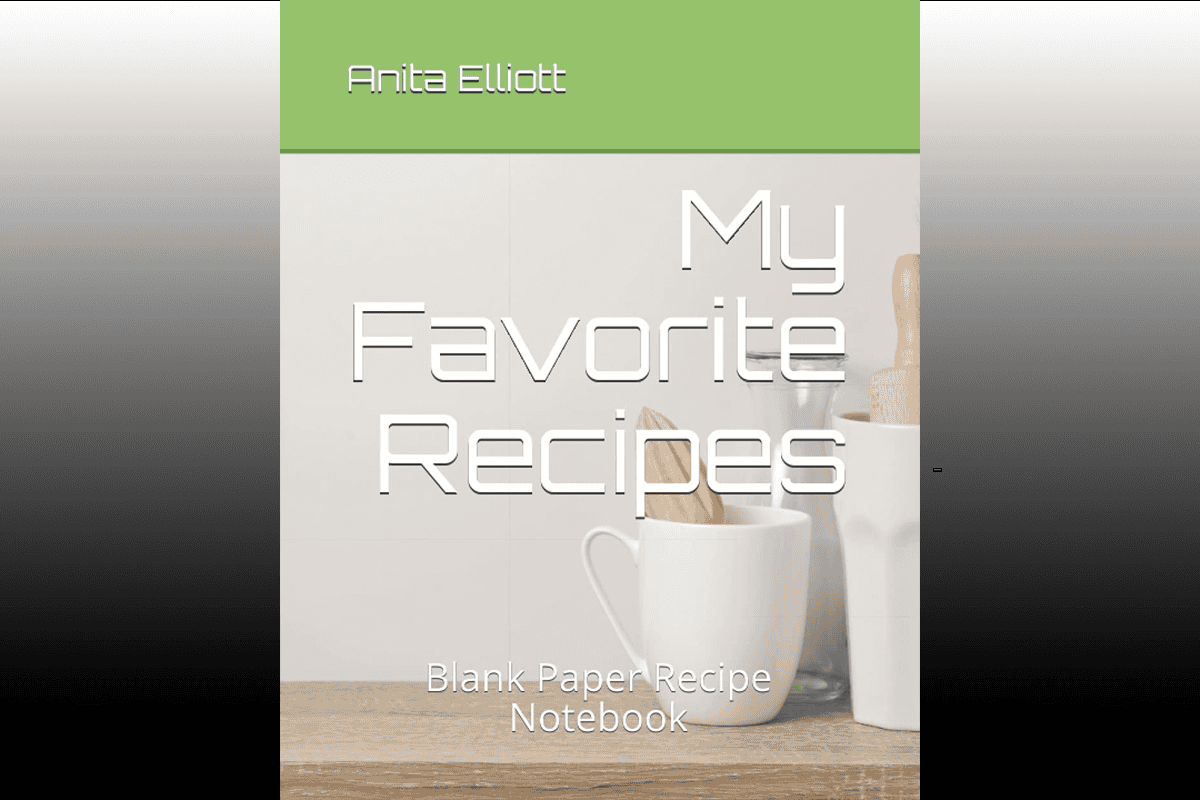
With this blank paper recipe notebook, you can record your favorite recipes in one place. It’s quick, easy, permanent… organized. No more lost recipes. No more recipes written on the back of store receipts or a handy envelope and stuffed into a drawer.
- · Large 8 x 10 size. Just the right size for notes and modification of your recipes.
- · Room for your 100 favorite recipes
- · “Build as you go” index so you can always find your favorite recipe
- · Beautiful glossy cover so you can wipe up kitchen spills (never trust a neat cook!)
- · Categorize by just checking a box. What could be simpler?
Never lose another recipe! Spend your time cooking, not organizing recipes.
My Favorite Recipes – Blank Recipe Notebook – is a great gift for you men, women, family, friends, or your favorite foodie – or even yourself!
Daily Devotional Planner and Prayer Journal: 6 x 9
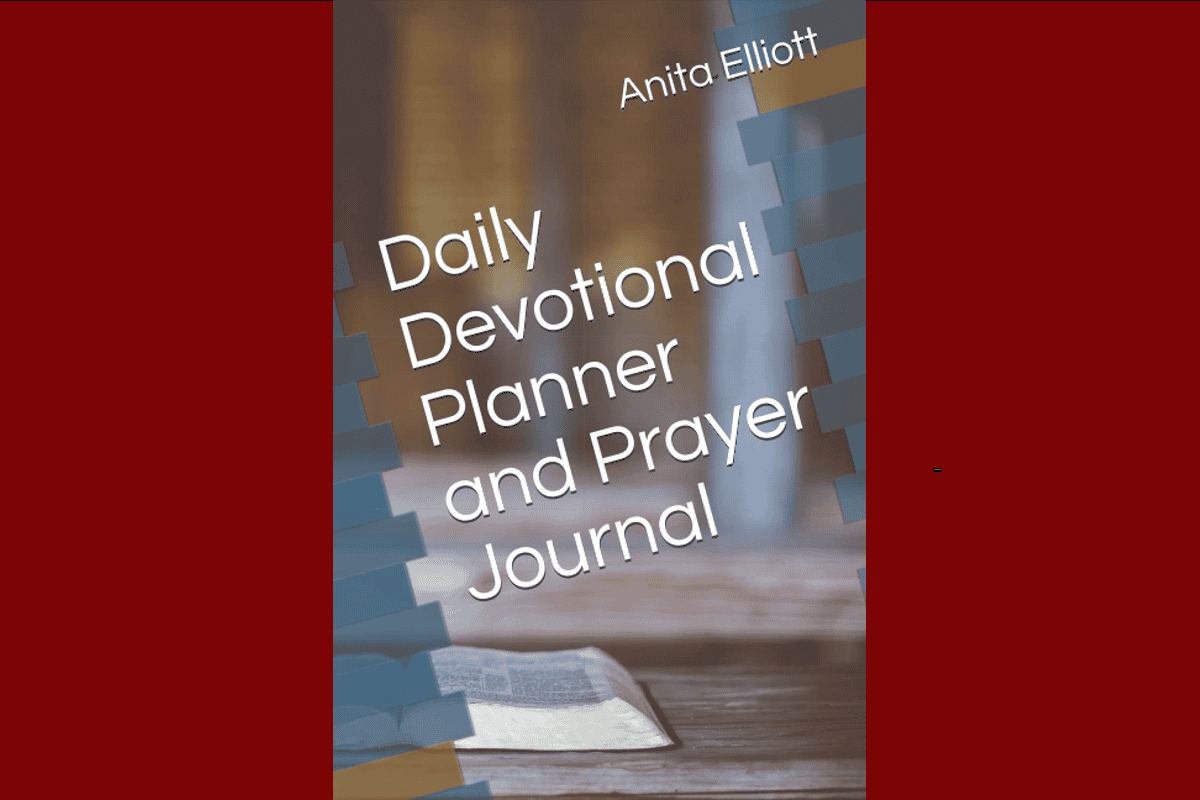
How do you hear Him? You will hear Him more clearly when you plan your daily devotion.
We speak to Him through our prayers. He speaks to us through our thoughts and feelings as we pray and ponder in our daily personal worship and scripture study. The quality of our personal religious observance will improve with thought and planning. If we look prayerfully, we will see His hand in all we do and our gratitude and love for Him will increase immeasurably.
The simple design of the Daily Prayer Journal and Devotional Planner includes a place for notes, prayer requests, key verses, key points, and how they apply to your life. It will allow you to follow your heart.
FEATURES:
- Four months of daily devotional and prayer planning and journaling
- One page per day or devotional
- Convenient 6 x 9-inch size
- Printed on high-quality white paper with black ink
- Undated
- Suggestions for using Daily Prayer Journal and Devotional Planner
EASY TO ORDER:
The daily Prayer Journal and Devotional Planner will help you hear Him and see His hand in your life every day.